Venues · Slough · Sikh
The Best Sikh Wedding Venues in Slough for 2026
Slough has one of the UK's deepest benches of sikh wedding venues, but genuine cultural fluency separates the top 10% from the rest. This 2026 guide ranks the sikh wedding venues in Slough that repeatedly earn five-star reviews from British Asian couples — with real prices, typical availability, and the exact questions to ask before you put down a deposit.
Updated 22 January 2026 · 13 min read · By the Asian Wedding Magazine editors
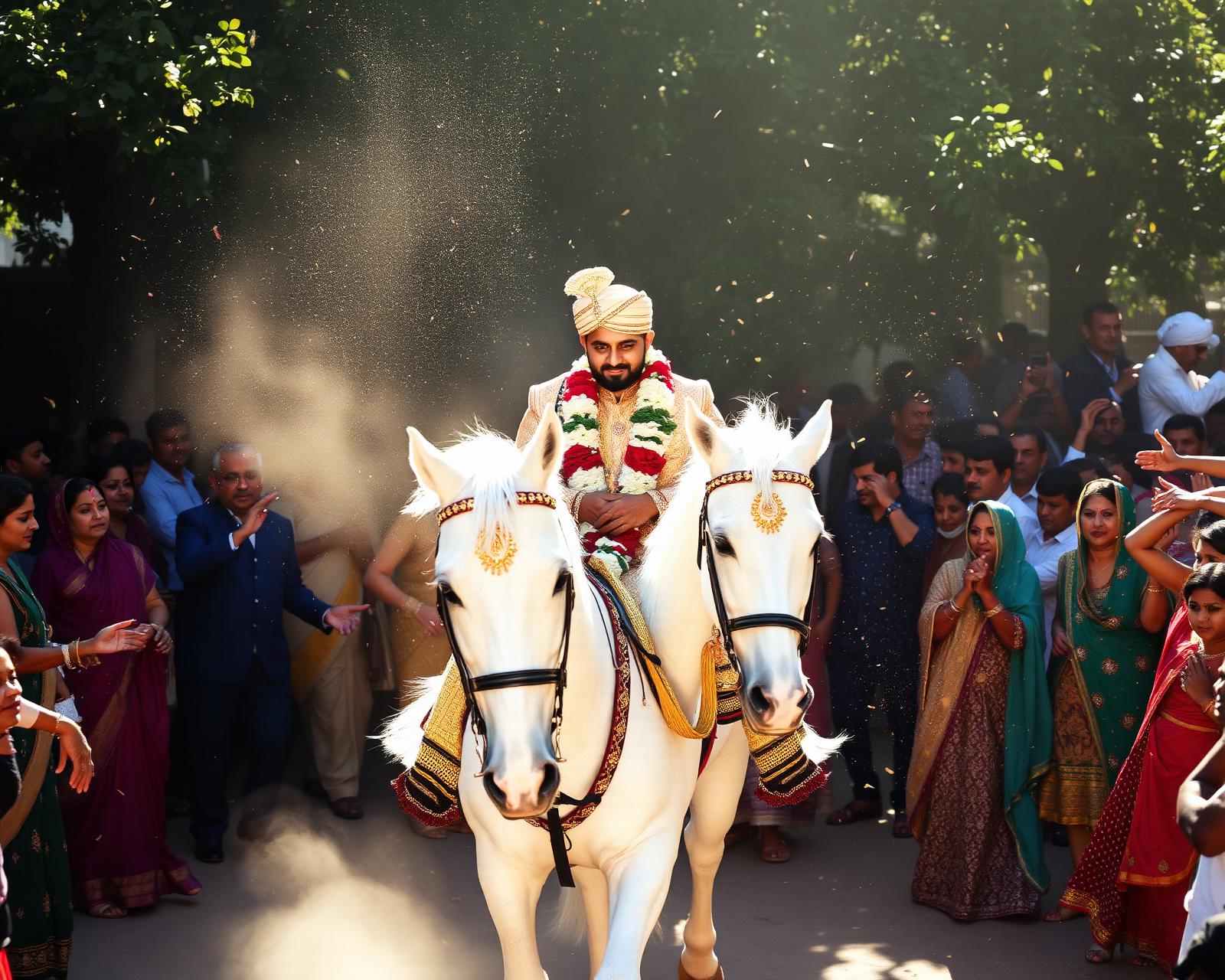
£8k–£38k
Venue hire
250–800
Typical capacity
14–20 months
Book ahead
How we ranked Slough's sikh wedding venues
Every venue in this shortlist has delivered at least 20 Asian weddings in Slough in the last 24 months, holds current public liability insurance of £5m or more, and has documented experience with Sikh ceremonies.
We weighted three signals equally: verified couple reviews on this directory (minimum 12 five-star reviews), transparency on 2026 pricing, and repeat-booking rate — a venue who works multiple weddings a season for the same extended family tells you more than any awards page.
What you'll actually pay for sikh wedding venues in Slough in 2026
The Slough market for sikh wedding venues has moved 8–14% since 2024, driven by fuel, insurance, and demand for Saturday summer dates. Off-peak Fridays and Sundays remain the single biggest lever — 15–25% cheaper on average for the same venue.
Expect a 20–30% deposit at booking, staged payments, and a final balance 14 days before the wedding. Always insist on a written contract that names the lead venue attending — not a subcontracted deputy from the same studio.
Peak Saturday premium
May–September and Diwali-adjacent Saturdays carry the highest rates — plan a Friday or Sunday if the budget is tight.
Multi-day discount
Booking the same supplier for Mehndi + wedding + reception typically unlocks 10–15% off versus separate contracts.
Cultural fluency premium
Suppliers with proven Sikh wedding experience command a small premium but save money by avoiding costly logistical mistakes on the day.
What to check before you sign
The single biggest cause of supplier disputes is scope creep on the day. Get the contract to spell out delivery windows, backup equipment, staff numbers, overtime rates, and cancellation terms in writing.
Insurance
£5m public liability minimum. Ask for a certificate of currency, not a screenshot.
Backup
Second venue, backup equipment, second van of kit — what happens if the lead falls ill 48 hours before?
Named reviews
Look for reviews that name your venue within the last 12 months. Generic five-star reviews with no venue detail are a red flag.
Contract clarity
Deposit, staged payments, final balance date, overtime rate, cancellation window — all in writing.
Cultural and logistical notes for Slough
British Asian weddings in Slough increasingly blend tradition with a tighter, guest-friendly schedule. Ceremony start times routinely slip; venues who don't build in 30–45 minutes of buffer are the ones who miss the golden-hour couple shoot.
Ask any shortlisted venue to walk you through a wedding they've done at your venue in the last 12 months — anecdote beats a portfolio deck every time.
The venues we shortlist in Slough
These are the buildings that come up repeatedly in verified reviews from couples who married in Slough in the last 24 months. Each has hosted multi-day South Asian weddings, not a single one-off.
Prices below are 2026 hire fees before catering. Where a venue quotes a minimum spend instead of a hire fee, the total you commit to is usually higher than the headline number — always ask for both.
Cippenham and Slough Asian banqueting halls
400–700 covers with in-house catering, mandap staging and free parking.
Stoke Park, Buckinghamshire
Palladian mansion and 300 acres — the luxury end of the Thames Valley for 200–400 guests.
Copthorne Slough–Windsor and Holiday Inn Slough
Reliable 250–450-capacity ballrooms with room blocks for travelling families.
2026 pricing: what Slough venues actually cost
Peak Saturday hire in Slough runs £4,500–£20,000. The same room on a Friday, Sunday or between November and March typically drops to £2,800–£11,000 — the single largest saving available to any couple.
Minimum spend, where it applies, sits at £14,000–£50,000 for a full-scale wedding. Read what counts towards it: some venues include catering and bar only, excluding hire, VAT and service charge, which can add 30% to the number you thought you agreed.
Budget separately for the lines venues quietly exclude: security staffing at £180–£450, a fire marshal for the havan at £250–£400, extra power for décor at £300–£800, cleaning and waste at £250–£600, and overtime at £500–£1,500 per hour past the licence.
Hire fee vs minimum spend
A hire fee is a fixed cost; a minimum spend obliges you to buy food and drink to that value. Model both against your real guest count before comparing venues.
Per-head reality check
A realistic all-in figure in Slough is £14,000 for 250 guests rising steeply above 400 — décor and staffing scale faster than catering.
The off-peak lever
Friday, Sunday and Nov–Mar dates cut 25–40% off the same room with the same team. If the date is flexible, nothing else saves as much.
VAT and service charge
Confirm whether quoted figures include 20% VAT and any 10–12.5% discretionary service charge. On a £40,000 spend that is a £13,000 difference.
What a venue must get right for a Sikh wedding
The Anand Karaj itself takes place in a gurdwara, so your venue is hosting the reception, and often the Milni and breakfast beforehand. The venue's job is to handle a large, punctual, alcohol-sensitive crowd and a dhol-led entrance.
Ask directly how the venue handles a bar. Many Sikh families run a full bar; others want a dry event or a bar that only opens after the langar. A venue with a minimum bar spend will fight you on a dry wedding — find that out before the deposit.
Milni space
You need a covered forecourt or a foyer that holds 150 standing for the Milni and garlanding before guests move inside.
Dhol and baraat
Confirm the venue permits amplified dhol outdoors and for how long — 20 minutes is typical before neighbours complain.
No-beef and vegetarian options
Even non-vegetarian Sikh receptions need a substantial vegetarian menu; many families exclude beef entirely.
Bar flexibility
Negotiate away the minimum bar spend in writing if you are running a dry or late-opening bar.
Capacity, layout and the numbers venues don't volunteer
Headline capacity in Slough venues typically reads 200–700 seated — but that figure is theatre-style or standing, not banquet seating with a stage, mandap, dance floor, buffet stations and a photo backdrop in the room.
Ask for the seated banquet capacity with your exact set-up, and ask to see a CAD floorplan with round tables of ten drawn in. A venue that cannot produce one has not thought about your wedding as carefully as you have.
Round tables of ten
Allow 1.8m diameter per table plus 1.2m circulation. A 'seats 500' room often seats 380 once the mandap and dance floor go in.
Ceiling height
A traditional mandap needs 4m clear; a draped or floral ceiling installation needs rigging points and a structural sign-off.
Stage and top table
A couple's sofa plus family photographs needs 6m x 3m of stage, deeper than most venues assume.
Children and elders
Asian guest lists carry more children and more elderly guests than the venue's average booking. Ask about step-free routes, lifts and a quiet room.
Catering rules: in-house, approved list or true dry hire
This decides your food, and food is what guests remember. In-house catering is simplest and usually dearest. An approved-caterer list is the middle ground. True dry hire gives total freedom but adds a kitchen-hire or corkage-style fee of £1,500–£6,000.
In Slough, the practical question is whether your family's preferred caterer is already on the venue's list. If not, ask what it takes to add them: most venues will accept a caterer with £5m public liability, a level-5 food hygiene rating and a completed site visit.
External caterer fee
Expect £1,500–£6,000 to bring your own kitchen in, sometimes framed as a 'kitchen hire' or 'catering supplement'.
Tasting rights
Get a tasting for four written into the contract before the balance is due, not after.
Late-night food
Chaat, jalebi or a curry-and-naan station at 11pm is what people talk about the next day — price it in early.
Dietary matrix
Halal, satvik, Jain, vegan and nut-free counts should be collected with the RSVP and confirmed with the kitchen 14 days out.
Licensing, fire and the paperwork that ruins weddings
Slough Borough Council grants 1am extensions routinely; Buckinghamshire estates apply their own stricter 11pm–midnight curfews.
The three permissions that most often fail on the day are open flame for the havan, amplified dhol outdoors, and a music licence past midnight. Each is a separate line on the Premises Licence and none of them is implied by the others.
Get the venue to email you the Premises Licence PDF. If they hesitate, that is your answer.
Open flame
Havan, agni and ghee lamps need written permission plus, usually, a fire marshal and isolation of the local smoke detectors.
Outdoor dhol
Amplified or percussive music outside is a different permission from indoor music and is capped much earlier.
Fireworks and cold sparklers
Indoor cold sparklers need a pyrotechnics risk assessment; outdoor fireworks usually need council notice and a 10pm curfew.
Overtime and hard stop
Confirm the exact hard stop and the per-hour overtime rate. A 1am licence with a 12.30am last-song policy is not a 1am wedding.
Access, parking and getting Slough guests there
Free on-site parking is standard in Slough — one of the strongest reasons West London couples move the reception out here.
Elizabeth line and M4 J5/J6 make Slough reachable from Southall, Hounslow and Reading inside 30 minutes.
Baraat approach
A horse, dhol party or open-top car needs a clear 100m approach and, on a public road, a council notification.
Supplier load-in
Décor needs 4–6 hours and a goods lift or level access. Confirm the earliest access time in writing — it dictates your ceremony start.
Accessible routes
Step-free entry, a lift to any upper-floor room, and accessible toilets close to the main hall for elderly relatives.
Accommodation block
Hold 20–40 rooms on a release-back basis 12 months out; you almost never pay for unfilled rooms if the contract is written properly.
Multi-day and multi-event planning at one venue
The Slough/Windsor corridor lets you pair a gurdwara Anand Karaj with a genuinely luxurious reception venue without London pricing.
If Mehndi, Sangeet, the ceremony and the reception all sit in the same building, you save on décor transport, supplier travel and setup labour — but you must confirm the turnaround. A room that hosts a 300-person Sangeet until 1am cannot be reset for a 9am ceremony without an overnight crew.
Overnight turnaround
Ask who pays for the overnight crew and whether the venue will allow access between 1am and 6am.
Two-room strategy
Where possible, use a second room for the Mehndi so the main hall can be dressed undisturbed.
Storage
You need a secure room for gifts, outfits and the couple's changes — surprisingly few venues offer one.
Single contract
One contract across all events gives you leverage on price and on the cancellation terms.
Contract clauses to negotiate before you sign
Venue contracts are written for the venue. Four clauses are routinely negotiable and each is worth thousands: the minimum spend, the overtime rate, the cancellation ladder and the force-majeure or date-transfer terms.
Ask for changes in an email and get them incorporated into the signed document — a sales manager's verbal assurance leaves with the sales manager.
Cancellation ladder
Typical terms: 25% at 12 months, 50% at 6, 100% at 3. Push for a date-transfer right instead of forfeiture.
Price-lock
Insist per-head prices are fixed at signature, not 'subject to annual review' — a 2026 booking signed in 2025 should not float.
Named coordinator
Venues change staff constantly. Ask for a handover meeting 8 weeks out with whoever will be on duty on the day.
Exclusivity
Confirm no other wedding shares the building, the car park or the front entrance on your date.
Site-visit checklist: 20 questions to ask on the tour
Take this list on the visit. Ask the same questions at every venue so you are comparing like with like, and write the answers down — you will not remember by venue four.
Capacity and layout
Seated banquet capacity with stage, mandap and dance floor in place? Can I see a CAD floorplan?
Money
Hire fee, minimum spend, VAT, service charge, overtime rate, and every extra not in the headline quote?
Catering
In-house, approved list or dry hire? External caterer fee? Halal, satvik, Jain capability? Tasting included?
Permissions
Open flame, outdoor dhol, cold sparklers, licence end time, hard stop, noise limiter fitted?
Logistics
Supplier access time, goods entrance, parking spaces, coach access, baraat approach, step-free routes?
Contingency
Wet-weather plan, backup generator, what happens if the venue changes hands or the coordinator leaves?
Red flags that should end the conversation
Most venue disasters are visible on the first tour if you know what to look for. These six are the ones that repeatedly surface in complaints from British Asian couples.
'We've done loads of Asian weddings'
Ask for three couples' names and dates from the last 12 months. Vagueness means they have done two.
Verbal-only permissions
Open flame, late finish or external catering agreed 'in principle' but not in the contract will be refused on the day.
Noise limiter surprise
A limiter that cuts power at 92dB will silence a dhol. Ask where it is set and ask to see it.
Sliding minimum spend
A minimum spend that rises when you mention your guest count means the quote was never real.
No dedicated coordinator
If nobody from the venue is contracted to be present on the day, your planner absorbs the risk and the cost.
Refusal to share the licence
Any venue that will not email its Premises Licence is hiding a curfew or a restriction.
Month-by-month: when to marry in Slough
Date choice moves the price of a Slough venue more than any negotiation. May to September Saturdays are the peak band and carry the full £4,500–£20,000 range. October, April and the first half of November sit in a shoulder band roughly 15% below peak. December to March, excluding the fortnight around New Year, is where £2,800–£11,000 lives.
Set against that, weather governs whether the baraat, outdoor pheras and drinks reception work at all. A December wedding needs a covered arrival, indoor baraat route and a wet-weather photography plan written into the venue contract, not improvised on the morning.
If the muhurat window is fixed by your pandit or the Nikah date by family availability, ask the venue for the cheapest day inside that window rather than assuming Saturday. A Friday inside the auspicious period regularly saves five figures.
Peak: May–September Saturdays
Full price, books 14–20 months out, best weather for an outdoor baraat and golden-hour couple portraits.
Shoulder: April, October, early November
Around 15% below peak with usable daylight until roughly 5pm — the best value-to-risk trade for most couples.
Off-peak: December–March
25–40% cheaper and far easier to book, but plan for a 4pm sunset, covered arrival and indoor everything.
Avoid without checking
Bank holidays inflate supplier rates; Ramadan, Navratri, Shraddh and exam season all thin the guest list rather than the price.
Décor, rigging and what the room will actually take
Two Slough venues quoting the same hire fee can differ by £15,000 once décor is built, because one has rigging points, high ceilings and a neutral shell, and the other has patterned carpet, low beams and a chandelier you cannot move.
Walk every venue with your décor team, or at least send them photographs and the technical spec before you sign. The questions below are the ones that change the quote.
Rigging points and weight loading
Floral ceilings, drapes and truss need certified points and a stated load in kg. No points means a ground-supported truss and £2,000–£6,000 more.
Existing décor you cannot remove
Fixed chandeliers, branded carpet, coloured walls and dated chairs all have to be worked around or covered. Chair covers alone run £3–£6 a seat.
Power and distribution
Uplighters, LED dance floors and a DJ rig need more than domestic sockets. Ask for the available amperage and the cost of a temporary distribution board.
Access hours for the build
A full mandap and ceiling install needs 6–10 hours. A venue that opens at 9am for a 2pm ceremony forces an overnight build fee.
Sound, AV and streaming the ceremony to family abroad
Most British Asian weddings now stream live to relatives in India, Pakistan, Kenya or Canada, and most venues are not set up for it. The failure points are bandwidth, power near the mandap and audio feed access.
Ask the Slough venue three technical questions: is there a hardwired ethernet connection in the ceremony room, can your videographer take a clean audio feed from the house desk, and is there a noise limiter between your DJ and the speakers.
Hardwired internet
Guest Wi-Fi will not carry a stable stream once 400 phones join it. Insist on ethernet or a bonded 4G/5G unit from your videographer.
Clean audio feed
A camera microphone across a 400-seat hall records applause, not vows. A feed from the mixing desk or a lapel on the pandit or imam is essential.
Noise limiter
Ask where it is set. Below 95dB and a live dhol or full DJ rig will trip it repeatedly through the evening.
Screens and projection
Two 3m screens for the ceremony and entrance films typically add £900–£2,500 unless the venue has them installed.
Guest experience: the details couples forget
Asian guest lists skew large, multigenerational and long-staying. The venue features that decide whether guests enjoy the day are rarely the ones on the sales brochure.
Grandparents need seating and shade during a 90-minute outdoor ceremony. Children need somewhere to be. Two hundred people need to get tea at the same time without a 25-minute queue.
Toilet ratio
One cubicle per 40 guests is the practical minimum for a 500-guest event; many heritage venues fall well short and need hired units.
Quiet and prayer room
A small side room for namaz, breastfeeding, elderly rest and the couple's changes is worth more than any upgrade.
Cloakroom at scale
Winter weddings need staffed cloaking for 400 coats. Unstaffed racks create a 40-minute bottleneck at the end of the night.
Tea and chaat flow
Multiple serving points, not one. A single station for 400 guests turns a highlight into a queue.
Insurance, risk and what happens when something fails
Wedding insurance covering £5,000–£100,000 costs £150–£400 and covers venue insolvency, supplier failure, extreme weather and illness. Buy it the same week you pay the venue deposit, not later — cover cannot be backdated to a known problem.
Separately, confirm the venue's own public liability (£5m is standard) and ask what happens if the building becomes unavailable. A good Slough contract names an alternative room or a sister property; a poor one refunds your deposit and leaves you 8 weeks from the date with no venue.
Venue insolvency
Pay deposits by credit card where possible — Section 75 gives you a recovery route that a bank transfer does not.
Named alternative
Ask for a written fallback room or property at no extra cost if your room becomes unusable.
Supplier failure cover
Your policy should cover a caterer, photographer or décor company going under, not just cancellation by you.
Weather clause
For outdoor pheras or baraat, confirm the decision deadline and who makes the call on moving indoors.
Alternatives if your Slough shortlist is fully booked
The best-known Slough venues are gone 18 months out for peak Saturdays, which pushes many couples into a worse date at a compromised venue. There are usually three better moves.
First, take the same venue on a Friday or Sunday. Second, look 20–40 minutes outside the city where hire fees drop sharply and free parking appears. Third, split the wedding: ceremony at the gurdwara, mandir or masjid, reception at a hall that only needs to handle the evening.
Move the day, keep the venue
Friday and Sunday availability at the top venues is far better and typically 25–40% cheaper.
Go 30 minutes out
Outer-ring banqueting halls and country houses deliver the same guest count for materially less, with parking included.
Split ceremony and reception
A place of worship for the ceremony plus an evening-only hall widens the shortlist enormously and cuts total hire.
Two-venue logistics
Budget coach transfers at £450–£900 per 50-seater and build 45 minutes of slack into the timeline.
FAQ
Common questions.
How far in advance should we book a sikh venue in Slough?
Peak Saturday dates in Slough sell out 12–18 months ahead. Off-peak Fridays and Sundays can still be booked 6–8 months out at 15–25% below peak rates.
Are 2026 prices for sikh wedding venues in Slough higher than 2025?
Yes — most sikh wedding venues in Slough have raised rates 8–14% since 2024. Locking in a written 2026 contract now protects against further increases.
Can we negotiate with sikh wedding venues in Slough?
Off-peak dates, multi-service bundles, and mid-week bookings all unlock 10–25% savings. Peak Saturday summer dates rarely move on price.
What's the biggest booking mistake couples make?
Signing a contract that names 'the studio' rather than a specific lead supplier. Always confirm who is turning up on the day and get that name in writing.
How much does a sikh wedding venue cost in Slough in 2026?
Peak Saturday hire in Slough runs £4,500–£20,000, dropping to £2,800–£11,000 on a Friday, Sunday or between November and March. Where a minimum spend applies instead of a hire fee, expect £14,000–£50,000 for a full-scale wedding once catering and bar are included. Always confirm whether VAT and service charge are inside or outside the quoted number.
How far in advance should we book a wedding venue in Slough?
Peak Saturdays between May and September in Slough are typically gone 14–20 months ahead, and the largest halls go earliest because there are so few of them. Off-peak Fridays, Sundays and winter dates can often still be secured 8–10 months out, frequently at 25–40% less.
What capacity do we actually need for Slough guest numbers?
Headline capacities in Slough read 200–700 seated, but that is before a stage, mandap, dance floor and buffet stations take floor space. As a rule, take the venue's stated banquet capacity and plan for 20–25% fewer seated guests once your set-up is in the room.
Can we bring our own caterer?
It depends on the venue model. Dry-hire venues let you bring anyone with £5m public liability and a level-5 hygiene rating, usually for a kitchen-hire fee of £1,500–£6,000. Approved-list venues will often add your caterer after a site visit. In-house-only venues rarely move, so check this before you fall in love with the room.
Will the venue allow a havan or open flame?
Many will, but it must be written into the contract, not agreed verbally. Expect the venue to require a fire marshal (£250–£400), isolation of local smoke detectors, and a documented risk assessment from your pandit or décor team. Any venue that will not put open flame in writing will refuse it on the day.
Can we have a baraat with dhol or a horse?
Indoor dhol is almost always fine. Outdoor amplified or percussive music is a separate permission and is usually capped at 20–30 minutes and finished well before 11pm. A horse or open-top car needs a clear 100m approach and, on a public road in Slough, notification to the council and often a licensed handler with insurance.
What is the difference between a hire fee and a minimum spend?
A hire fee is a fixed charge for the room. A minimum spend is a commitment to buy a set value of food and drink — if your bill falls short, you pay the difference anyway. Minimum-spend venues suit large guest counts; hire-fee venues suit smaller weddings. Model both against your real numbers before comparing.
Is parking a problem at Slough wedding venues?
Free on-site parking is standard in Slough — one of the strongest reasons West London couples move the reception out here.
How late can the music go?
Most Slough venues licence music to midnight or 1am, with 2am available at a minority. Ask three separate questions: when the licence ends, when the venue's own hard stop is, and whether a noise limiter is fitted and at what decibel level. A limiter set at 92dB will cut the dhol regardless of the licence.
Can one venue host the Mehndi, ceremony and reception?
The Slough/Windsor corridor lets you pair a gurdwara Anand Karaj with a genuinely luxurious reception venue without London pricing.
What hidden costs should we budget for?
Security staffing (£180–£450), fire marshal for the havan (£250–£400), additional power for décor (£300–£800), cleaning and waste (£250–£600), corkage or external-caterer fees (£1,500–£6,000), overtime past the licence (£500–£1,500 per hour), and 20% VAT plus any discretionary service charge on top of everything.
What happens if we need to change the date?
Standard contracts treat a date change as a cancellation: often 25% forfeited at 12 months, 50% at six and 100% at three. Negotiate a date-transfer clause before signing — most venues will grant one transfer to an equivalent or off-peak date if you ask before you pay the deposit, and almost none will after.
What is the cheapest month to book a wedding venue in Slough?
January and February are the cheapest, followed by the rest of the December–March window excluding the fortnight around New Year. Expect £2,800–£11,000 against a peak-summer £4,500–£20,000. April, October and early November form a shoulder band around 15% below peak and are the best compromise if you still want usable daylight.
How many parking spaces do we need for Slough guests?
Plan one space per 2.5 guests for a British Asian wedding — higher than the venue's standard assumption because family groups travel together but rarely share beyond that. For 400 guests that is roughly 160 spaces plus coach turning space for the baraat.
Can the venue take a floral ceiling or heavy mandap rigging?
Only if it has certified rigging points with a stated weight loading. Without them your décor team must build a ground-supported truss, which adds roughly £2,000–£6,000 and eats floor space. Ask for the venue's technical spec sheet, and have your décor supplier read it before you sign.
Can we live-stream the ceremony to family abroad?
Yes, but only reliably with hardwired ethernet or a bonded 4G/5G unit — guest Wi-Fi collapses once several hundred phones join it. Also confirm your videographer can take a clean audio feed from the house mixing desk, because a camera microphone across a large hall records applause rather than the vows.
Do we need wedding insurance for a venue booking?
Yes. A £150–£400 policy covers venue insolvency, supplier failure, extreme weather and illness up to £5,000–£100,000. Buy it in the same week you pay the venue deposit — cover cannot be backdated once a problem is known. Pay deposits by credit card where possible for the extra Section 75 protection.
How many toilets and how much service capacity should a venue have?
One cubicle per 40 guests is the practical floor for a 500-guest wedding, and many heritage venues need hired units to reach it. On catering, insist on multiple tea and chaat serving points: a single station for 400 guests creates a 25-minute queue at exactly the moment guests are most restless.
What should we do if every venue in Slough is booked on our date?
Three moves, in order of value. Take the same venue on a Friday or Sunday — availability is far better and the price drops 25–40%. Look 20–40 minutes outside Slough, where hire fees fall and parking is usually free. Or split the day: ceremony at the gurdwara, mandir or masjid and an evening-only reception hall, which widens the shortlist enormously.
Should we hire a wedding planner or rely on the venue coordinator?
They do different jobs. A venue coordinator protects the building and manages venue staff; they do not chase your caterer, run the mandap build or hold the timeline. For a multi-day wedding above 250 guests, a planner at £3,000–£9,000 or an on-the-day coordinator at £800–£1,800 is usually the difference between the schedule holding and slipping by two hours.
How much should we pay as a venue deposit and when?
A first deposit of 10–25% secures the date, with staged payments at 12, 6 and 1–3 months. Never pay 50% or more upfront to a venue that will not provide a signed contract, a Premises Licence copy and proof of £5m public liability. Fix per-head prices at signature so a 2026 date booked in 2025 cannot be repriced.
Can we have a dry, alcohol-free wedding without paying a bar minimum?
Yes, but you must negotiate it before signing. Many venues fold a bar minimum spend into the package by default. Ask for it to be removed and for the equivalent value to be moved into catering or late-night food instead — most will agree rather than lose the booking.
Can we run a dry wedding or delay the bar?
Yes, but a venue with a minimum bar spend will resist. Raise it before the deposit and get the minimum re-based in writing. Many Sikh families open the bar only after the langar or after the Anand Karaj party arrives — the venue needs that in the timeline, not as a surprise on the day.
Verified suppliers
Recommended in this category.
The Grand Orchid Hall
South Asian-friendly banqueting in East London with a dedicated mandap stage.
The Ivory Pavilion
South Asian wedding venue in Manchester — dedicated south asian events coordinator.
Marigold Manor
South Asian wedding venue in Southall — ceiling height and kitchen approval for open flame.
Ceremonies


